The World is Frozen
Starting with “Make Them Cry,” the first in what seems like a series of timestamp-style records, Drake sets the tone of the entire Iceman album immediately. Pain, unforgiving energy, revenge, deep reflection, and unshakeable self-confidence and self-reliance are all on full display from the opening bars. This isn’t the Drake who coasts or plays it safe. This is a man who survived what many thought would be career-ending scrutiny, processed it, and came back sharper than ever.
The album opens strong and stays on a no-skip streak at least until you get to “B’s on the Table.” Tracks like “Dust,” “Janice STFU,” “Whisper My Name,” and “Shabang” almost justify the entire album release by themselves. These cuts are packed with personality, replay value, and that signature Drake ability to make you nod along while he’s dissecting everything around him.
Drake stunned the game by going directly at Jay-Z, Pusha T, LeBron James, and others, letting us know exactly where his head has been for the last two years. As a fan, it’s deeply satisfying when all your questions get answered and no stone is left unturned. Listening to Iceman feels like receiving your favorite dish with every single box checked: the aroma is perfect, the presentation is superb, the taste is awe-inspiring, and even the lighting at your table is flawless. Drake couldn’t have set this table any better.
I personally never imagined him dropping what feels like his most lyrical album yet, with virtually no wasted bars. It’s like watching Kobe Bryant win a scoring title in his 20th year. How? How can one man carry this much pressure to deliver while people online are literally praying for his downfall every single day, creating narratives and lies? While hip-hop media holds him to unfair standards they apply to nobody else, he still delivers what many fans are calling a top-5 album in his discography—and for me personally, it’s in my top 3 (and it’s not 3).
The fallout from this album has sent Kendrick fans and self-appointed “hip-hop gatekeepers” spiraling for weeks, and we still haven’t seen an end to the delusion. From radio host DJ Hed releasing “diss-free” versions of “2 Hard 4 the Radio” to fans demanding proof of dominance via the four weeks (and it would’ve been five) that Iceman spent at number one on the Billboard 200, the conversation refuses to die.
Iceman ironically lit the culture on fire. It paid the bills of the “haters” who make daily videos about him—like donating to a charity. Drake fed both his haters and his fans. Crazy to say out loud, but that’s exactly what happened. Now they try convincing everyone the album “came and went,” even as viral clips of women doing the “Shabang” challenge keep dropping. The album obviously exceeded most people’s expectations, including my own, leaving me with the same feeling I had when LeBron came back down 3-1 against Curry: “I will never doubt this man again.”
Critical Reception: What the Reviews Got Right (and Where They Missed the Mark)
The critical consensus on Iceman was deeply fractured, landing a mixed 51/100 on Metacritic. But if you look past the average score, the most insightful reviews perfectly captured why this project strikes such a powerful chord with longtime fans. Industry staples like Variety, NME, and GQ all agreed on one central truth: this is Drake's most focused, technically sharp, and least bloated rap album in years. The consensus across the board is that he completely abandoned empty platitudes to deliver a raw, nimble, and adventurous comeback. Writers raved about the top-tier mic work and dynamic production, noting that the music feels technically thrilling because it features actual rap runs and zero immediate lulls. It represents a vital spark right when he needed it—a return to the effortless, laidback sharpness of his Comeback Season days, packed into his strongest body of work since Scorpion.
A huge reason the album resonates so deeply is the inspired, adventurous production, which seamlessly threads muted soul with maximalist trap. Standout tracks are consistently praised for their dynamic structures and incredible pacing. The intro, "Make Them Cry," is universally recognized as a quintessential, five-minute Drake tour de force—a song that brilliantly balances cutting introspection, awkward family confessions, and theatrical melodrama over a gorgeous sonic backdrop. From there, the album keeps its foot on the gas. "Whisper My Name" has been widely singled out for its brilliant song structure, building from a slinking flute groove into high-octane trap territory fueled by military-grade 808s and Drake’s signature melodic vocals. Meanwhile, tracks like "Shabang" and "Make Them Pay" (produced by Flywilliums & Ovrkast) showcase a winking, dexterous question-and-answer flow packed with petty, incredibly efficient wit. Even hooks like the one on "Janice STFU" prove his pop sensibilities are completely intact, keeping the entire runtime engaging.
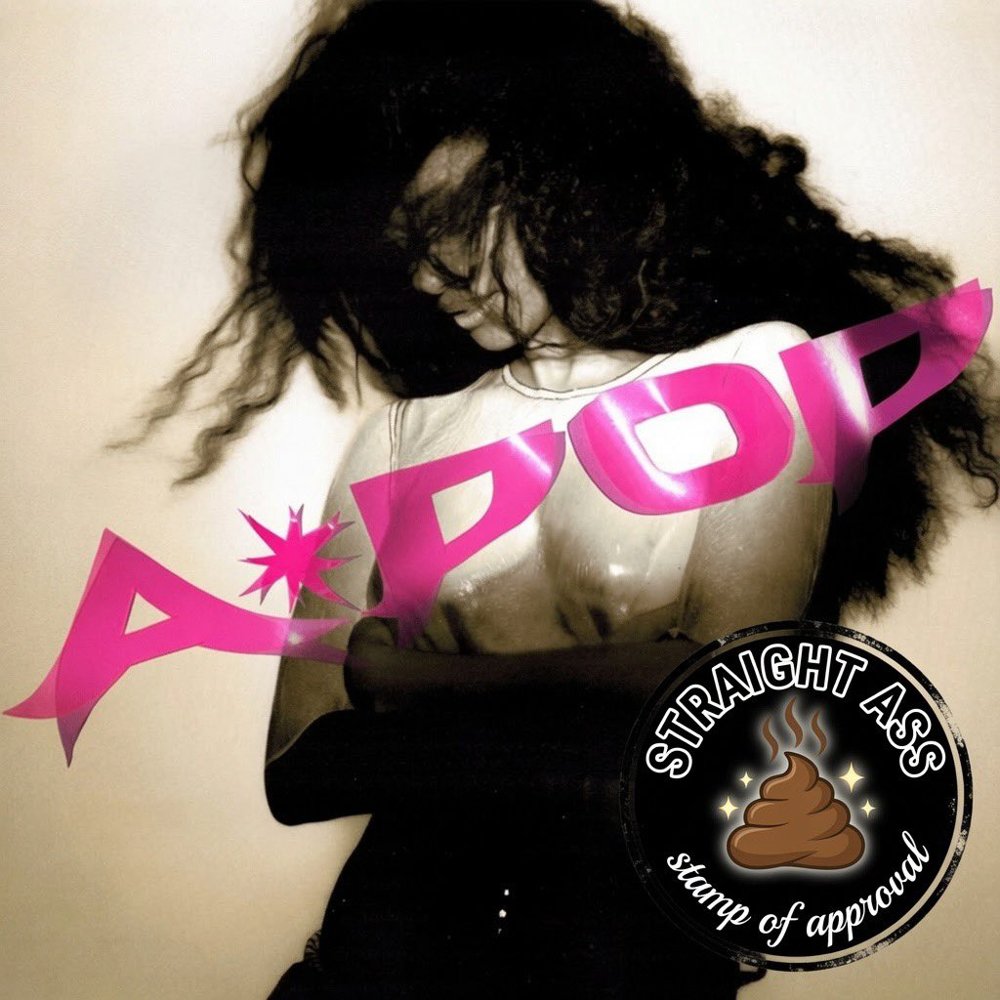
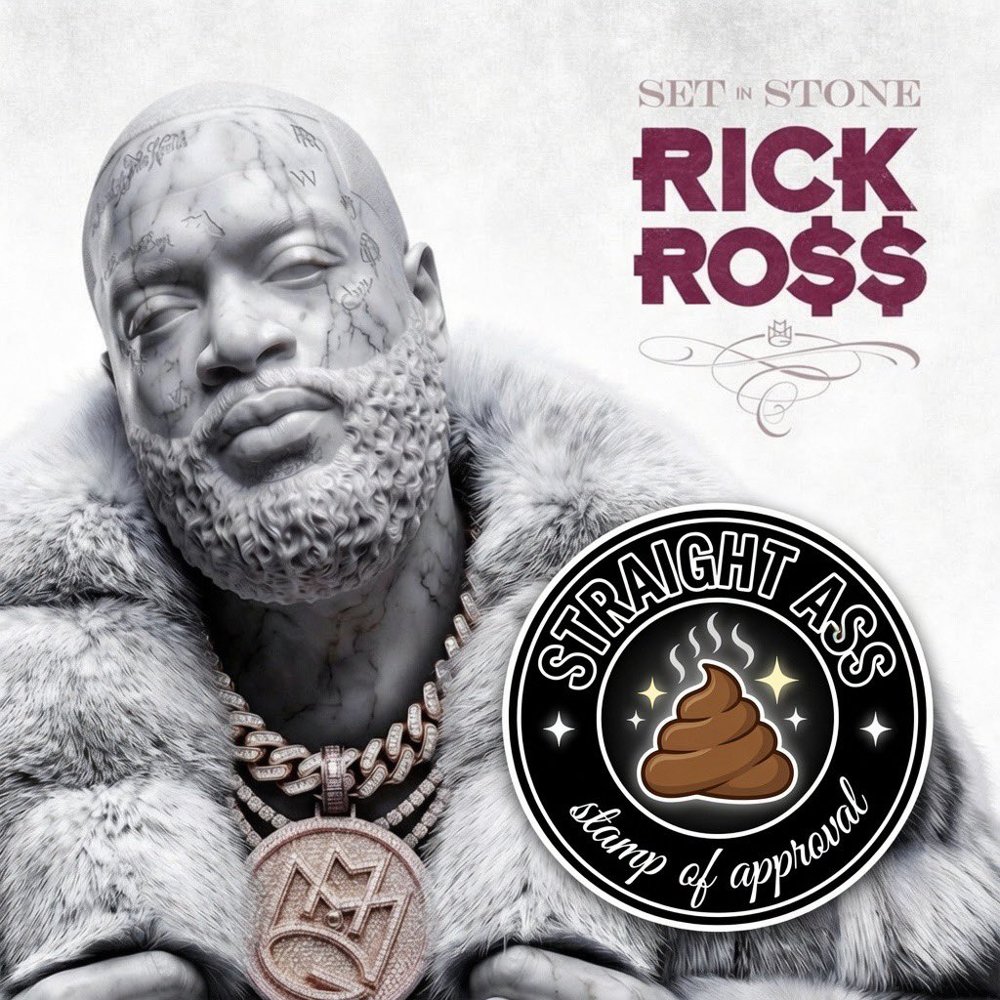
What truly binds this project together, though, is the heavy emotional stakes and the absolute refusal to hide from the fallout of the Kendrick Lamar battle. Drake ditches the generic subliminals to take direct shots at specific betrayals from Rick Ross, A$AP Rocky, DJ Khaled, and even LeBron James for showing up at the Pop Out. He delivers precise, deeply uncomfortable lines about his own family dynamics—confessing the burden of having to father his own mother and treat his father like an older brother—while airing out bitter truths about the OVO chain situation.
Ultimately, these reviews correctly clocked the album’s core strengths: the directness, the lyrical sharpness, and the satisfying sense of Drake finally addressing the noise head-on. Where the broader critical landscape got it wrong was in underestimating how cathartic that directness feels for the fanbase. Critics tried to write off his obsessive re-litigation of the beef as mere "self-pity." But for those of us who spent years watching narratives spin entirely out of control, it didn't feel like whining at all. It felt like long-overdue clarity, absolute confidence, and a superstar fiercely reclaiming his crown.
Standout Tracks and Why They Hit Different
“Make Them Cry” isn’t just an intro—it’s a statement. The moody, contemplative beat lets Drake unload family reflections, personal losses, and that core admission that a big piece of him died in 2024, all while projecting forward with ice-cold resolve. It’s vulnerable without being weak.
“Dust,” “Janice STFU,” and “Whisper My Name” form an early gauntlet of no-skip heat. “Janice STFU” stands out for its sharp tongue and melodic earworm quality, shutting down noise with attitude. “Whisper My Name” builds dynamically, moving from atmospheric to commanding, with Drake’s delivery shifting between taunt and command.Then comes “Shabang”—pure energy, viral-ready, and one of those tracks that feels like it was built for the culture to run with. The challenge took off because the song itself is infectious and cocky in the best way.
These four tracks alone deliver replay value that justifies the whole rollout.Later cuts like “Make Them Pay” and “Make Them Remember” keep the pressure high with targeted bars and strong performances. Even with features (Future and Molly Santana on “Ran to Atlanta,” 21 Savage on “B’s on the Table”), Drake remains the focal point, his pen carrying the weight.The production across the board—drawing from frequent collaborators and fresh voices—avoids the monochromatic feel of some recent projects. There are soulful undercurrents, trap foundations, dynamic switches, and moments that feel adventurous without losing cohesion. It’s cohesive enough to feel like a true album statement while varied enough to stay engaging over 18 tracks.
The Bigger Picture: Comeback, Charts, and Cultural Impact
Iceman arrived May 15, 2026, as part of a surprise triple-album drop (Habibti and Maid of Honour alongside it), making Drake the first artist to occupy the Billboard 200’s entire top three simultaneously in a single week. Iceman itself debuted with massive numbers, hit number one, and held the top spot for at least four consecutive weeks—joining rare company among rap albums.
Every song charting on the Hot 100 for multiple weeks further cemented its dominance. The “Shabang” challenge, ongoing discourse, and sheer volume of engagement proved the album didn’t “come and go”—it stuck around and kept feeding conversations. For fans who felt the post-beef narrative was one-sided, Iceman delivered the receipts. It answered questions about where Drake’s head was, who he felt betrayed by, and how he processed it all. The result is an album that feels personal, petty in the most entertaining ways, reflective where it counts, and confident throughout.
It’s not perfect—some mid-tempo stretches exist, and the beef references are frequent ( personally I love it) but the highs are high enough, and the overall execution strong enough, that it earns its place as one of Drake’s most satisfying projects in years. Like that LeBron 3-1 comeback, it reminds us why we root for certain artists in the first place: resilience, skill, and the ability to deliver when the lights are brightest and the pressure is heaviest.
Iceman didn’t just survive the noise. It thrived in it, turned it into fuel, and left the culture buzzing louder than before. For anyone who stuck around through the doubt, this one feels like validation served ice-cold and perfectly plated.
Sources
Variety album review (May 2026)
GQ review (May 2026)
NME review (May 2026)
Rolling Stone chart reporting
Billboard chart reporting
Genius tracklist and album details
Wikipedia album page (sourced from official releases)
Metacritic aggregate scores
Originally posted on X: x.com/DopeboyDiesel/status/2078060720667673086
Prosperity Ent newsletter
Join the Prosperity Ent list
New articles, fresh videos and live-stream alerts, straight to your inbox. No spam, just smoke-free signal.
You're on the list. Welcome to the room. 🌿
Comments
Log in to join the conversation.