Government Proposes Restricting "Junk Food" Purchases with Food Stamps
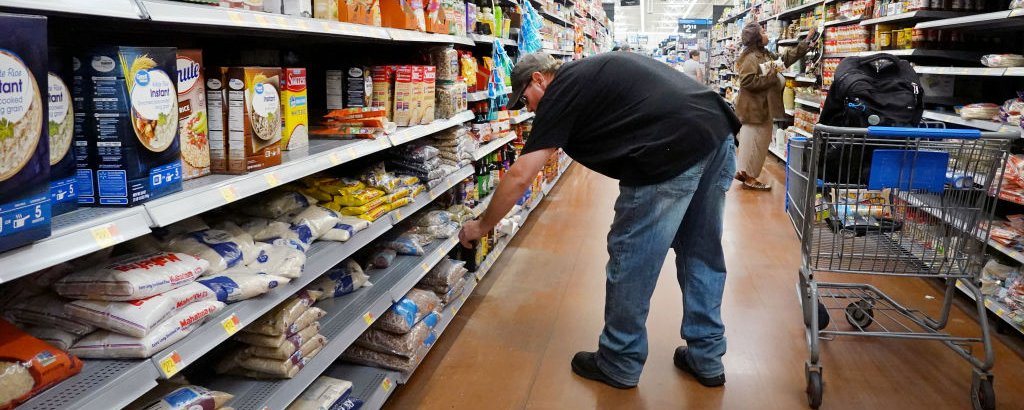
In a significant policy shift, the U.S. government is considering measures to prohibit the purchase of sugary drinks and junk food using Supplemental Nutrition Assistance Program (SNAP) benefits. This initiative, led by Agriculture Secretary Brooke Rollins and Health and Human Services Secretary Robert F. Kennedy Jr., aims to promote healthier eating habits among low-income Americans.
Policy Details and Objectives
The proposed policy seeks to restrict SNAP recipients from using their benefits to buy items such as soft drinks, candy, ice cream, and other processed foods. Agriculture Secretary Rollins emphasized that the goal is not to deprive children of food but to ensure that taxpayer money funds nutritious options. In fiscal year 2023, approximately 42.1 million people received SNAP benefits, costing $112.8 billion annually. The administration believes that steering SNAP funds toward healthier choices could improve public health outcomes and reduce healthcare costs associated with diet-related diseases.
Historical Context and Industry Response
Efforts to limit the purchase of unhealthy foods with SNAP benefits are not new. Historically, proposals to restrict "junk food" purchases have faced opposition due to concerns about administrative feasibility and personal freedom. The Food and Nutrition Service noted in 2007 that defining which foods should be considered "healthy" or not poses significant challenges. Additionally, the beverage industry, including major companies like Coca-Cola and PepsiCo, has actively lobbied against such restrictions, arguing that they offer a range of products, including healthier options, and emphasizing the need for programs that provide access to nutritious foods rather than limiting choices for SNAP recipients.
Legislative Developments
The proposal has garnered attention in Congress, with bipartisan discussions underway. A bill under consideration aims to restrict SNAP purchases of unhealthy foods and study the impact on nutrition security and diet quality. Supporters argue that these measures are necessary to combat the rising obesity epidemic and encourage better dietary habits among low-income populations. Critics, however, express concerns that such restrictions could stigmatize SNAP recipients and limit their food choices.
Implications and Future Outlook
If implemented, this policy could have far-reaching implications for SNAP participants, the food and beverage industry, and public health initiatives. By potentially reducing the consumption of unhealthy foods, the government aims to address chronic health issues prevalent among low-income communities. However, the success of such a policy would depend on its design, implementation, and the availability of affordable, healthy food options for SNAP recipients.
As the administration moves forward with this initiative, it will be essential to balance public health objectives with the needs and rights of SNAP beneficiaries, ensuring that efforts to promote nutrition do not inadvertently lead to increased food insecurity or reduced autonomy for those relying on assistance programs.
Originally posted on X: x.com/DopeboyDiesel/status/1891485101118165266
Prosperity Ent newsletter
Join the Prosperity Ent list
New articles, fresh videos and live-stream alerts, straight to your inbox. No spam, just smoke-free signal.
You're on the list. Welcome to the room. 🌿


Comments
Log in to join the conversation.